9+ curated guides • Updated June 2025
We often buy accessories to complete an outfit, or give them as a simple, beautiful gift. But what if a piece of jewelry or a silk scarf could carry the symbolic weight of the gold, frankincense, and myrrh offered by the Three Kings? It's time to move beyond trends and discover how to choose accessories that anoint your daily life with a sense of the sacred and royal. In Spanish, 'Reyes' means Kings, a direct echo of the Magi who journeyed to bestow gifts of immense cultural and spiritual value. In our modern age, saturated with fleeting trends and disposable fashion, this ancient story offers a profound framework for re-evaluating our relationship with the objects we use to adorn ourselves. This is not about religious dogma, but about cultural inheritance—about viewing our accessories not as mere trinkets, but as a modern trinity of symbolic offerings we make to ourselves and to others. It’s a call to curate a collection that speaks of personal sovereignty, inner reverence, and enduring legacy.
For centuries, the opal has been called 'unlucky,' a fragile gem prone to cracking under pressure. But in a world tired of indestructible perfection, what if this vulnerability is actually its most powerful feature? This isn't a story about a delicate birthstone—it's about why embracing the 'flawed' and unpredictable nature of the opal is the ultimate power move for anyone born in October. It represents a shift in our cultural values, away from flawless diamonds and towards a beauty that is earned, cared for, and unapologetically real.
We picture a celebrity's life as a whirlwind of red carpets, private jets, and exclusive parties. But behind every successful personal empire is an unseen, meticulously organized machine, and its engine isn't glamour—it's data, run on the surprisingly mundane framework of an Excel spreadsheet. This isn't just about accounting; it's the central nervous system for a multi-million dollar corporation where the product is a person. As a strategist who builds these systems for high-profile clients, I can tell you that the most critical decisions are made not in a Hollywood boardroom, but by analyzing pivot tables and conditional formatting. Forget the mystique; success in this arena is a game of numbers, and the spreadsheet is the scoreboard, rulebook, and strategic playbook all in one.
The flashing banners and doorbuster prices at Best Buy's Black Friday sale are designed to trigger a shopping frenzy. But behind the hype, many 'can't-miss' deals are actually derivative products or tech traps designed to look like a bargain. Before you pull out your wallet, let's uncover the secrets to telling a true steal from a holiday ripoff. We're not here to celebrate discounts; we're here to dissect the duds. This is your field guide to the five most common tech traps you'll find lurking in the aisles and on the front page of BestBuy.com.
For generations, a man's ring was a declaration of weight and wealth—the heavier, the better. But in a world saturated with loud statements, a new kind of power is emerging from subtlety. What if the most confident statement you could make on your hand weighs almost nothing at all? We've been conditioned to associate mass with meaning, bulk with bravado. The chunky signet, the formidable wedding band, the knuckle-duster dripping in stones—they all served their purpose in an era of overt signaling. But the modern man of substance understands a different language. He communicates not through volume, but through precision. The 2-gram gold ring isn't an entry-level accessory; it is the final word in a style vocabulary built on intention. It’s a deliberate rejection of the need for external validation, a quiet hum of self-assurance in a world of noise.
You know the ritual: mash the avocado, squeeze the lime, chop the cilantro. But what if that quintessential recipe is based on a historical misunderstanding? We're digging into the past to uncover the authentic, 500-year-old Aztec recipe—long before key ingredients like limes and cilantro were introduced—to discover what this legendary dip was truly meant to taste like. As a culinary detective, my work involves peeling back the layers of modern adaptation to find the original blueprint of a dish. The modern guacamole is a triumph of flavor, but it's a culinary remix. The original—the ahuacamolli of the Nahua peoples—was a composition of profound simplicity, a direct conversation between the volcanic soil of Mesoamerica and the palate. This investigation isn't about criticizing the dip you love; it's about discovering the one that started it all.
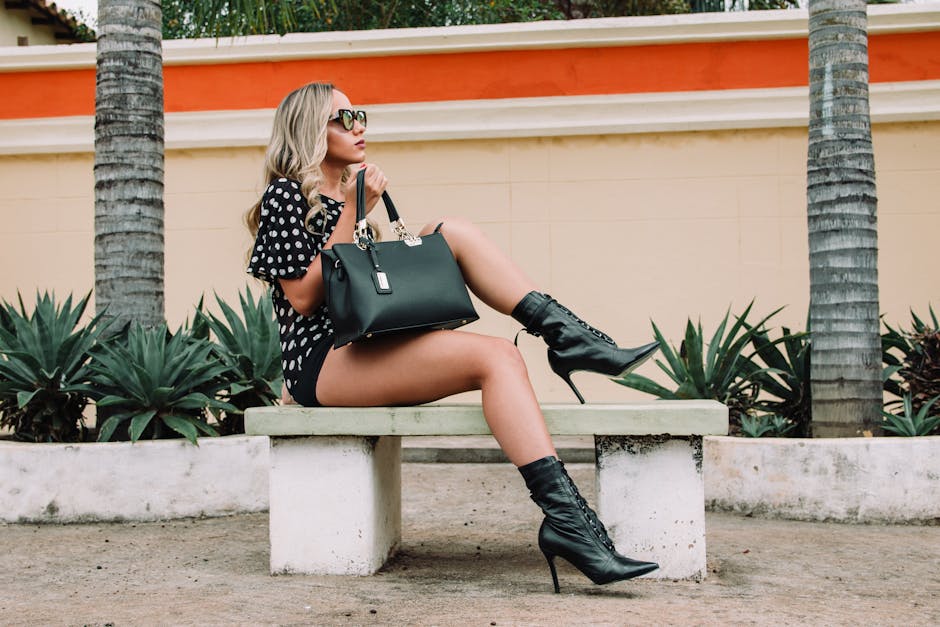
Remember the bizarre handbag trends of 2022? The impossibly tiny bags, the Y2K-era revivals, and the explosion of crescent shapes weren't just fleeting styles. They were a collective cultural response—a secret language speaking volumes about our post-pandemic anxieties and desires. As a fashion psychologist, I see these accessories not as mere objects, but as artifacts of our time. They are the tangible expressions of our shared journey out of isolation, our grappling with a new reality, and our deep-seated need for both control and comfort. In decoding these trends, we decode ourselves.
We all know Adam Sandler's 'Hanukkah Song,' but what about the deeper cultural DNA embedded in Hollywood's greatest hits? From the storytelling ethics in Steven Spielberg's films to the specific rhythms of comedy perfected by legends like Joan Rivers, Jewish identity has long been a powerful, often unseen, force shaping mainstream entertainment. This isn't just about who is Jewish; it's about how that heritage has gifted us with some of our most beloved cultural moments. This cultural code isn't a secret handshake; it's a rich, complex lexicon of humor, morality, and intellectual curiosity woven into the fabric of pop culture. By understanding this code, we don't just learn about Jewish history—we gain a profoundly deeper appreciation for the art we thought we already knew.
Remember 2022? The year crescent bags hung from every arm and vibrant, dopamine-inducing colors dominated our feeds. While the thrill of snagging that must-have bag was real, we're asking the tougher question now: was it a smart investment? We audited 2022's biggest handbag darlings to see which ones have appreciated in value and which ones were just expensive, fleeting moments. This isn't a style retrospective; it's a financial post-mortem. We're treating these bags like the assets they were marketed as, evaluating their performance with the cold, hard data of the secondary market. Prepare to see which purchases are now paying dividends and which have become cautionary tales.